
Pont Valentré (Cahors)
Pont Valentré, also known as Pont du Diable, is a fine example of medieval military architecture. Construction of this 14th-century fortified bridge took 70 years! The architect, unable to complete the work, is said to have sold his soul to the devil..
The history of Pont Valentré
A remarkable example of medieval architecture, Pont Valentré is listed as a Monument Historique and has been a UNESCO World Heritage Site since 1998, as part of the Santiago de Compostela Pilgrimage Route.
Built at the time of the Franco-English wars, the Pont Valentré (Valentré Bridge) is a rare example of French military architecture from this period, and one of the finest surviving fortified medieval bridges. Rising majestically 24 metres above the River Lot, the famous Pont Valentré stands imposing, magnificent and full of stories and anecdotes. This medieval monument is never empty during the summer months.
In 1306, the consuls of the City of Cahors decided to build a bridge at a place called "Valandre", on the western side of the Cahors meander. At the time, two other bridges existed in Cahors: the Pont Vieux to the south and the Pont Neuf to the east.
The first stone of the new bridge was solemnly laid in 1308 by the first consul, Géraud de Sabanac. The construction work lasted almost 70 years, giving rise to the legend that the devil assisted the architect. By 1345, it was possible to drive on the bridge deck, although the three towers were probably not completed until around 1380, despite the crises of the Hundred Years' War.
Nestling at the foot of the Cahors cliffs, Pont Valentré spans and dominates the river Lot, 138 meters long and 40 meters above water level. It features six main Gothic arches,three square, three-storeytowers overlooking the Lot by 40 meters, and two châtelets. The western châtelet has almost entirely disappeared; the eastern châtelet's defensive character was enhanced by 19th-century modifications. Each passage under the towers could be closed by two leaves and a portcullis. In addition, the bridge entrances were defended by barbicans, which have now disappeared. The bridge's piers are reinforced by a sharp forebay which, at passage level, forms a crenellated platform for flanking fire to protect the bridge deck. This ensemble was a sufficient deterrent to never have been attacked.
The legend of Pont Valentré

Construction dragged on for over half a century - the bridge was begun in 1308 and completed in 1378 - giving rise to the legend that every Cadurcian loves to tell. Exasperated by the slowness of the work, the master builder signed a pact with the devil. Under the terms of the contract, the devil would put all his know-how at the service of the construction, and if he carried out all his orders, he would give up his soul in payment. The bridge goes up quickly, the work is completed and the contract comes to an end. To save his soul, the architect - because he didn't want to end his days in hell - asked the devil to fetch water for his workers from the Carthusian spring with a sieve.
The Devil naturally returned empty-handed, the exercise being impossible, and lost his Market. Determined to exact his revenge, the Devil sent an imp every night to unseal the last stone of the central tower, known as the Devil's Tower, which had been put back into place the previous day by the masons. In 1879, when the bridge was being restored, architect Paul Gout had a stone carved with the effigy of an imp placed in the empty Location. The sculpture was made by Calmon, a local sculptor. So every time the Devil checks to see if the bridge is unfinished, he's mistaken in thinking it's one of his own who's dismantling it.
Discover the Lot department with Gîtes de France Lot: Cahors, Rocamadour, Gouffre de Padirac, Grotte du Pech Merle (Cabrerets)
Our selection of accommodations
Our new accommodations
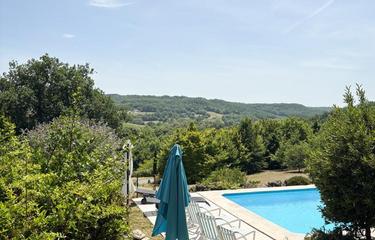
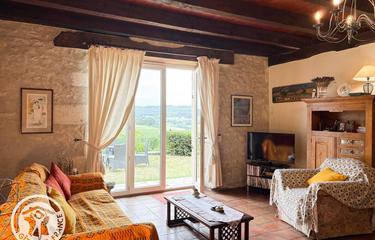
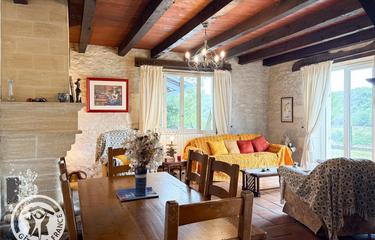
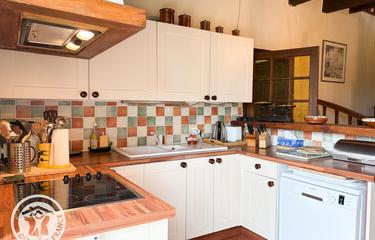
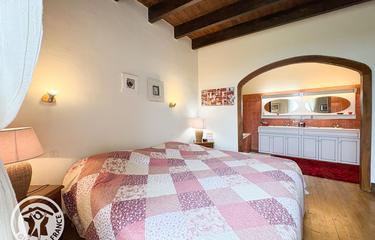
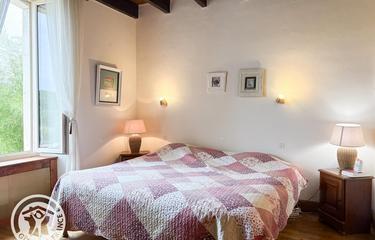
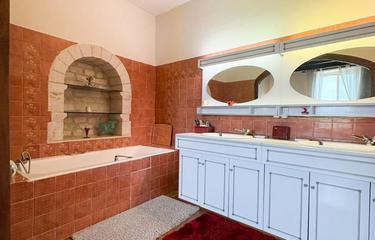

Lodging
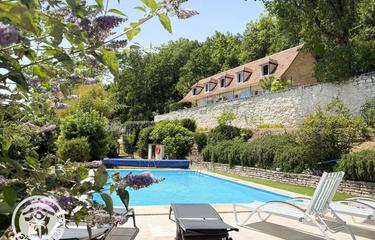
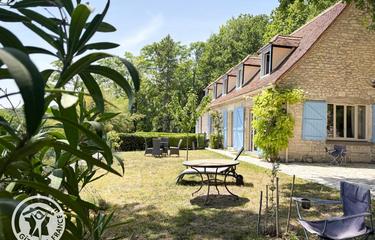
Gîtes de France® - Domaine de Hauterive
in VIRE SUR LOT - Lot
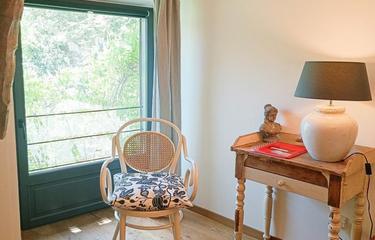
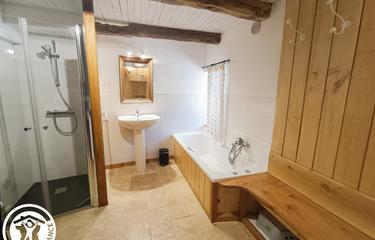
Guest house
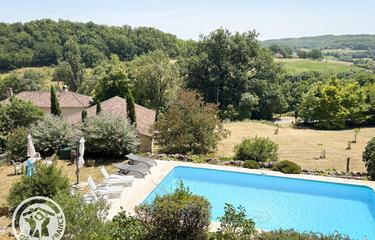
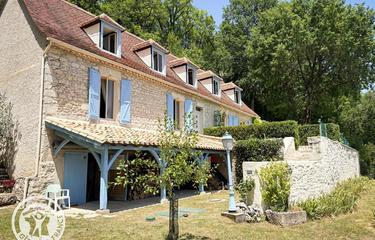
Gîtes de France® - Domaine du Causse
in ARCAMBAL - Lot