Île de Ré - Île d'Oléron - Île d'Yeu
Located in the Atlantic Ocean to the west of the Vendée and Charente coasts, the Îles d'Oléron, Île de Ré and Île d'Yeu share a rich and varied landscape, combined with a centuries-old local culture.
The island of Oléron, west of Rochefort, is the largest of the three, and the second-largest island in France behind Corsica. Nicknamed "La lumineuse" by Pierre Loti for its year-round sunshine, it is easily accessible from the mainland thanks to its bridge. The Île d'Oléron bridge, 3 kilometers long, gently transports you to a vacation spirit.
Once you've set foot on the Ile d'Oléron, there's no shortage of Remarkable sites, starting with the many villages, each with its own character, such as Chaucre, Sauzelle or La Cotinière, the department's leading fishing port. On the beaches of the village of Boyardville, you can admire Fort Boyard, which was used as a prison before it hosted the famous TV game show. In the heart of the island's two largest communes, Saint-Pierre-d'Oléron and Le Château d'Oléron, you can discover the rich local culture.
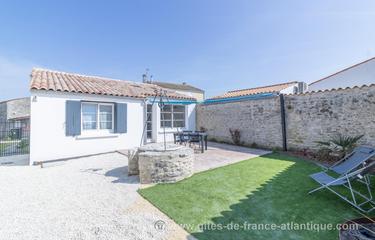
Even longer than the Île d'Oléron bridge, the Île de Ré bridge will also impress you with its size and architectural prowess. Located to the west of La Rochelle, the Île de Ré is nicknamed "Ré la blanche" for the distinctive hue of its houses. The island offers a wide range of maritime activities such as surfing and windsurfing, as well as tennis: all villages and Campsites have tennis courts.
The area is rich in natural diversity, with 100 kilometers of bike paths and a nature reserve for charming strolls. Historic monuments are numerous and varied, such as the Baleines lighthouse and the fortifications built by Vauban. Finally, it's the many narrow streets, alleyways and traditional houses that make the Île de Ré a first-rate tourist destination.
A little further north, the Île d'Yeu is more modest in size, but just as strong in character, with numerous historic monuments such as the Île d'Yeu lighthouse and the Vieux-Château, which is said to have inspired Hergé to write Tintin's adventures on the Île Noire. The island's east coast features sandy beaches typical of the Vendée coast, while the wilder, rockier west coast is more reminiscent of the Brittany coast.